

The history of classical music is filled with examples of famous families where musical ability is passed down from parents to a multiple of children. Many assume that genetics accounts for the frequency of these multi-generational musical families, but a 2023 study, Music and Genetics (Wesseldijk, Ullén, and Mosin, published on sciencedirect.com) observes that there’s more to it than DNA; the acquisition of musical skills within families depends on a complex interplay between genes and the environment.
Heredity or Environment?
Determining the extent to which musical aptitude is connected to either heredity or environment is a vexing problem for science. While answers to the question remain elusive, a quick survey of musical families past and present provides evidence for the idea that environmental conditions play a critical role in the development of successful musical siblings.

J.S. Bach’s household was as full of children as it was music. He fathered twenty children, of whom at least seven followed their father into musical careers. Both Johann Christian and, especially, Carl Philipp Emanuel Bach enjoyed fame and influence beyond that of their illustrious father until 19th-century revivals of J.S. Bach brought the patriarch back to prominence.
Leopold Mozart, the father of Wolfgang Amadeus Mozart, was the 18th-century equivalent of a “helicopter parent.” Leopold pushed his gifted children, Wolfgang and Maria Anna, hard, parading them around Europe to elevate the social status of the Mozart family. Though it was Wolfgang who would ultimately be remembered as one of the greatest composers of all time, both Mozart children were musical prodigies.
Siblings Franz Joseph and Michael Haydn were born to amateur musicians who encouraged their children to pursue music professionally. Franz Joseph would go on to be revered as a composer of true inspiration and imagination and as the father of both the modern string quartet and piano trio forms. His brother Michael was also a highly successful composer who was Salzburg’s Kapellmeister for 44 years.
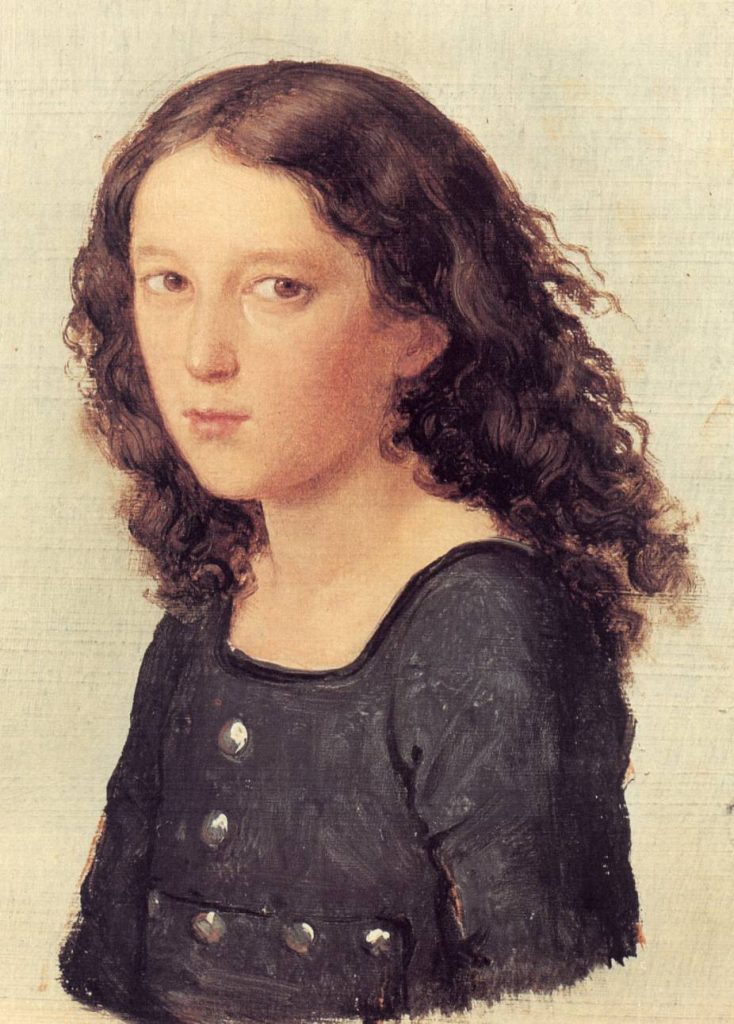
While not a musician himself, Felix Mendelssohn’s father, Abraham, and his wife, Lea, were arts patrons who hosted famous Sunday afternoon musical salons at their home in Berlin. This gave their prodigious son Felix and his gifted sister Fanny easy access to some of the most esteemed musicians of the day. Felix Mendelssohn’s prodigism may have been the most profound example in western music: his ability and sophistication as a youth astounded contemporaries. Despite her own talents, Fanny was unable to effectively compete for attention, and later in life even Felix himself struggled to meet the public expectations his early successes had helped create.
Early Learning Counts
That the musical success of the progeny of Bach, Haydn, Mozart, and Mendelssohn could be attributed solely to some sort of genetic lottery seems highly implausible; a strong environmental component must have also played a critical role. An often-cited study (Turkheimer, Haley, Waldron, d’Onofrio, & Gottesman, 2003) strongly suggests that socioeconomic status plays a disproportionately high role in cognitive development. Virginia Penhune’s A gene-maturation-environment model for understanding sensitive period effects in musical training (2020) adds a third factor to the discussion, suggesting that learning from an early age makes a difference as well, actually exerting influence over the physical development of brain structure.

The 20th century witnessed the success of many more gifted musical siblings. Composers Nadia and Lili Boulanger followed in the path of their father, composer Ernest Boulanger. Felix Galimir and his sisters, Adrienne, Renée, and Marguerite, formed the Galimir String Quartet in 1927 and would go on to make the very first recording of Alban Berg’s Lyric Suite in Paris in mid-1935. Yehudi and Hephzibah Menuhin played countless recitals between 1934 and 1979.
Ensembles Built to Last
The Hagen Quartet was founded in 1980 by four siblings, Lukas, Angelika, Veronika, and Clemens Hagen who, within a short time, won both the Portsmouth and Lockenhaus competitions. The Hagen’s success was no flash in the pan: the quartet continued to concertize to acclaim worldwide for 45 years, only finally retiring from the stage in March of 2026. Another example, the Ying Quartet, was formed by four siblings in 1988 at the Eastman School of Music. The Ying won the 1993 Naumburg Chamber Music Award and have continued to perform worldwide with three of the original sibling ensemble intact.
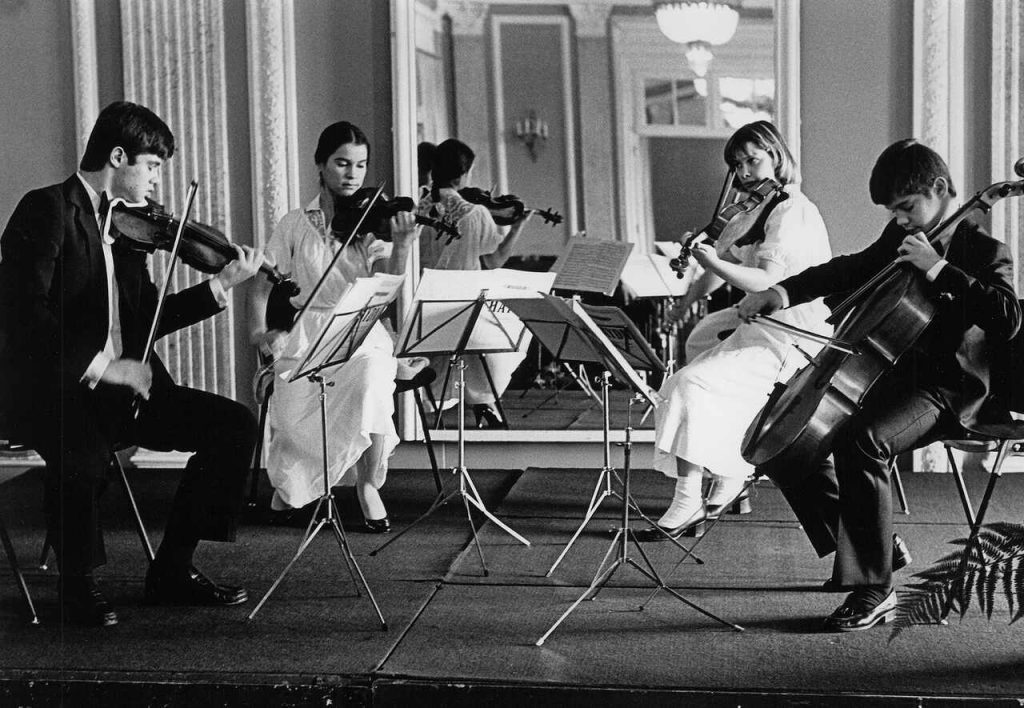
Gil and Orli Shaham, Renaud and Gautier Capuçon, and the seven siblings of the Kanneh-Mason family in Britain all join the long, illustrious list of sibling musicians. All have been raised in musical households. While those conditions are neither prerequisites nor absolute predictors of musical success, the home environment in childhood is clearly a major contributing factor in fostering the development of professional musicians.

Movses Pogossian, Distinguished Professor of Violin at the UCLA Herb Alpert School of Music, and LA Philharmonic violinist Varty Manouelian are parents to three of the most talented performers of their generation. Cellist Edvard Pogossian concertizes extensively in Europe and the US and is Professor of Cello at the Royal Northern College of Music in Manchester, UK. Violist Cara Pogossian has been featured at important venues such as the Marlboro Festival and the Ravinia Steans Music Institute, and as a guest musician with the Boston Symphony Orchestra, the Los Angeles Philharmonic, and the Boston Pops Orchestra. Clarinetist Anoush Pogossian is a fellow in Carnegie Hall’s Ensemble Connect and performs chamber music and orchestral repertoire at the highest-profile venues in New York City, where she is based. All three of the Pogossian siblings credit their highly musical upbringing for positioning them for success as professional musicians.
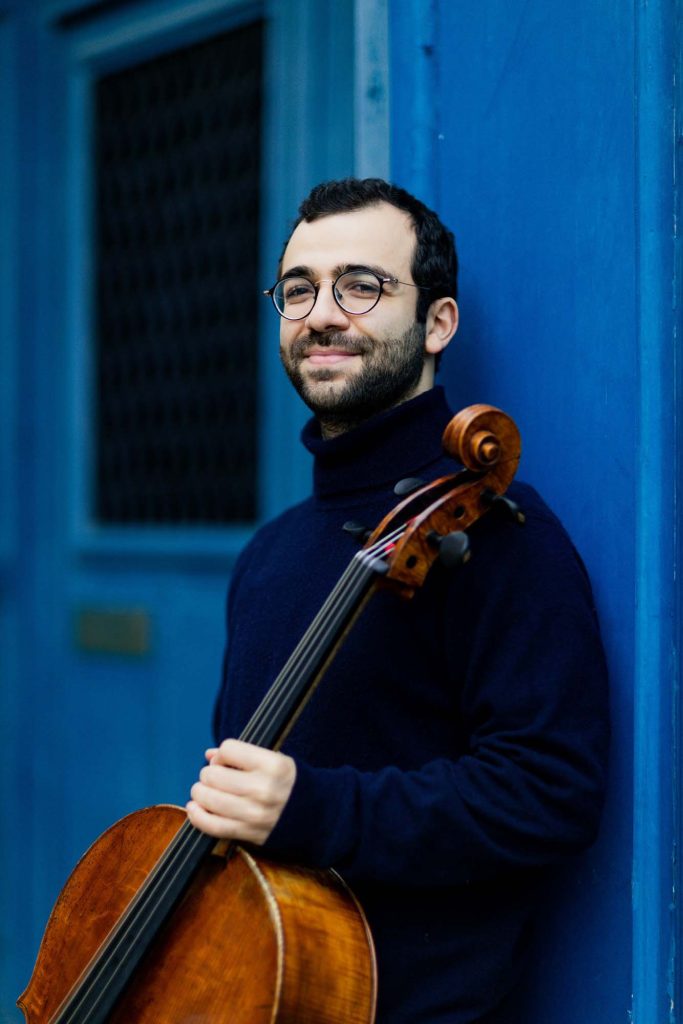
Guarneri Hall audiences will have a chance to meet both Edvard and Cara Pogossian and experience their artistry when they come together at the NEXUS Chamber Music Festival in August. While genetic heritage must play a strong role in the musical development of children, the Pogossians make a convincing case for a powerful connection between environment and the incubation of successful musicians.