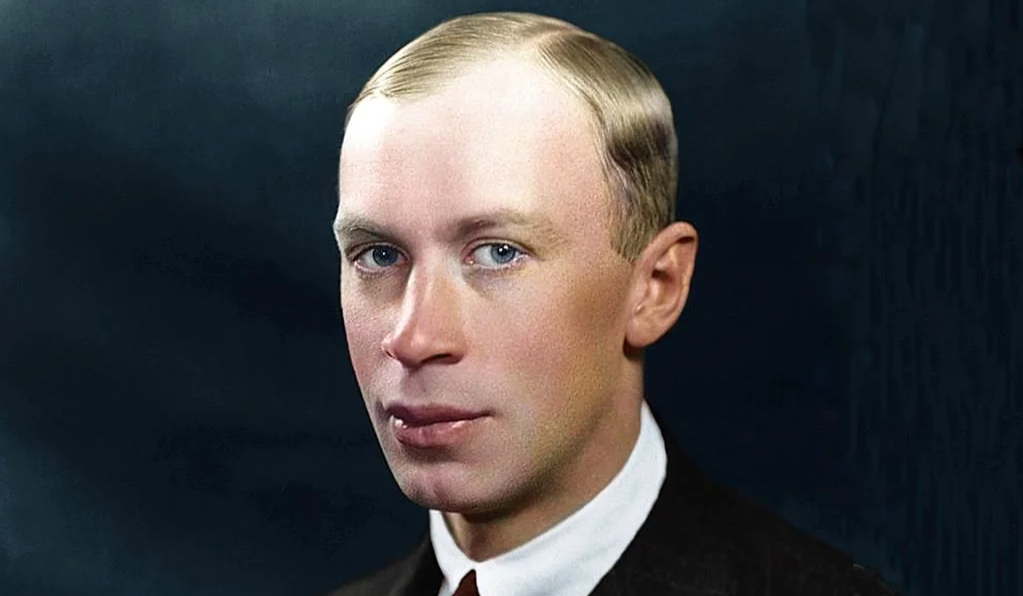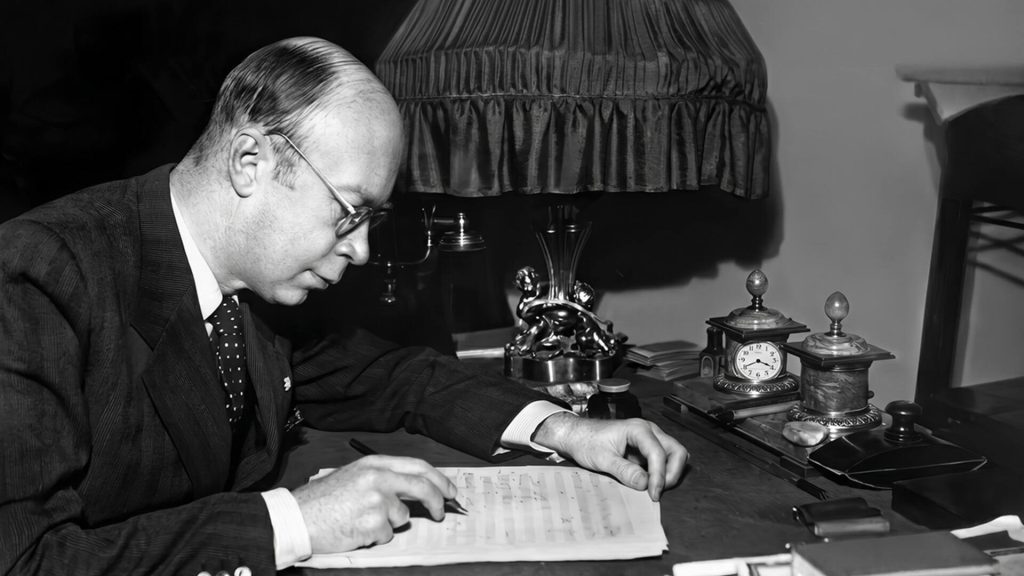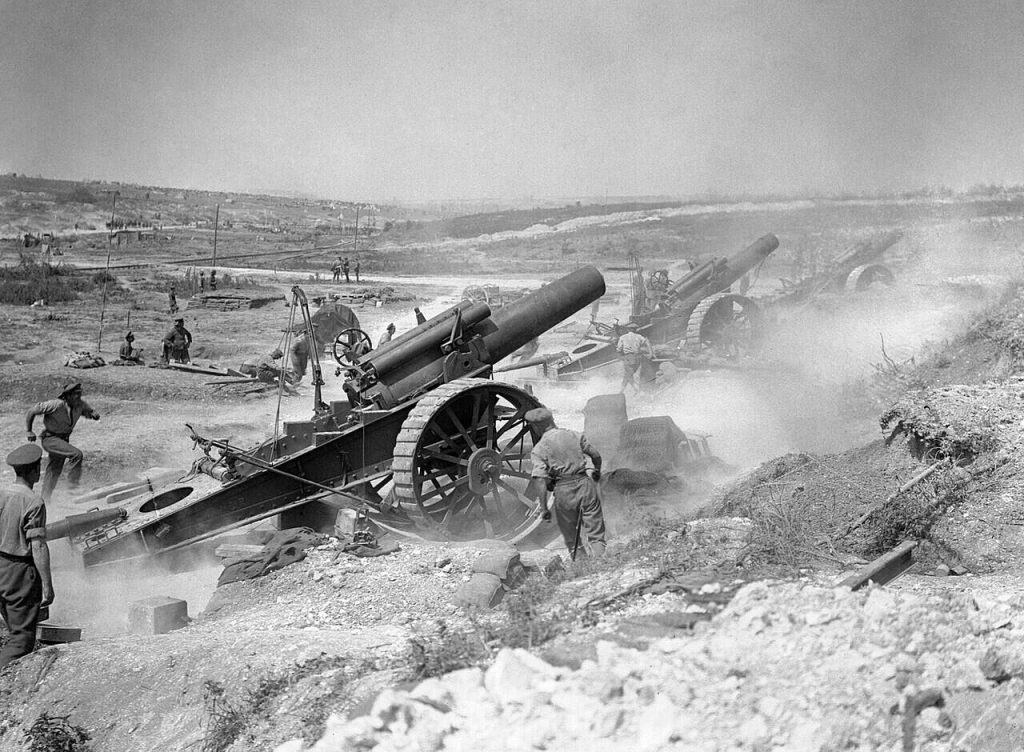

What makes music revolutionary? Even within a single period of revolution, changes can be found both as incremental small steps and dramatic breaks with the past, as composers discover new ways to use sound and silence to create musical conversations. The works on Revolutions 1: 1796 trace the sparks of transformation between 1778 and 1795. These three compositions offer different perspectives on the evolving possibilities of the Classical style up to 1796: Mozart’s elegance and wistful beauty and Haydn’s sense of surprise and wit gently nudge at the boundaries of Classical style, while the dark contrast and instability of Beethoven’s Opus 1 #3 demonstrates the beginning of radical change — so radical, in fact, that Haydn recommended against Beethoven’s publishing of the piece. Together, these three pieces highlight a moment of revolutionary transformation from the Classical style toward the full-blown Romanticism that would overtake music in the years and decades that followed.
Wolfgang Amadeus Mozart (1756–1791): Sonata for Piano and Violin in E minor, K. 304 (1778)

Mozart composed this sonata in Paris in 1778, right around the time of his mother’s death there. While no direct connection between the sonata and that traumatic event has been documented, the fact that it is Mozart’s only violin sonata in a minor key and its unusual somberness makes such a connection easy to imagine.
The opening Allegro begins with the instruments playing a wistful and uneasy motif in quiet unison. The violin and keyboard act as near-equal partners (the original score lists piano ahead of violin), exchanging ideas and responding to one another with occasional dramatic interruptions. The music’s emotional intensity grows, at moments becoming reassuring before returning to an overall wistful character.
The second movement, marked Tempo di Menuetto, draws on the antique form of a courtly dance, but its minor key gives the movement a reflective, almost elegiac quality. Mozart transforms a conventional dance form into something deeply inward and personal. Two angelic stanzas in the middle in E major offer blissful hope before the initial material returns to foreclose on any such happiness.
Joseph Haydn (1732–1809): Piano Trio No. 35 in C major, Hob. XV:21 (1797)
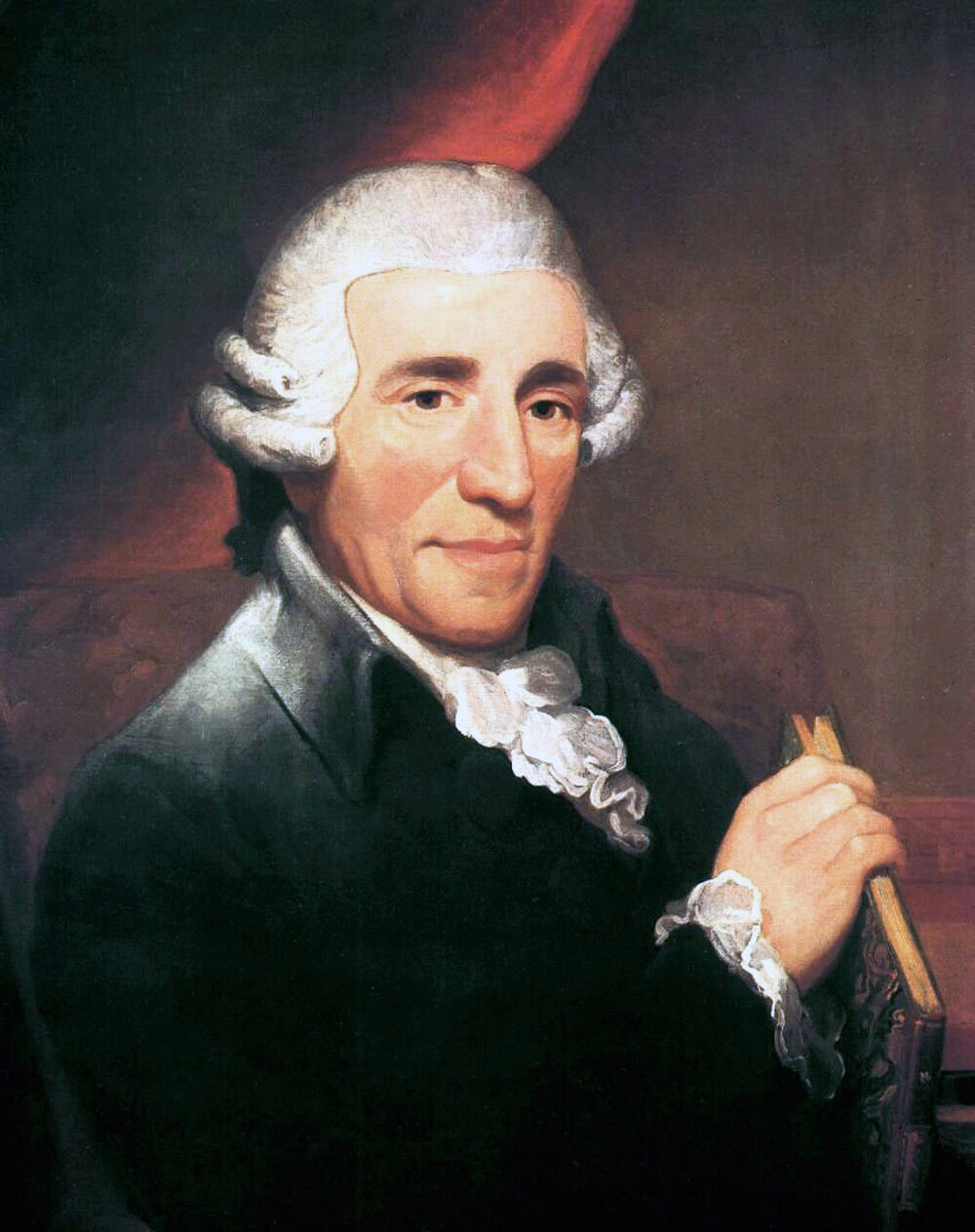
Haydn’s travels to London in the 1790s produced many of his most admired works, including the Trio No. 35 in C major. By this time, Haydn was at the height of his powers as Europe’s most famous composer. The piece reflects Haydn’s confidence with experimentation and the supreme skill, clarity and sense of proportion that define him as a composer.
The trio’s opening Adagio pastorale establishes a stateliness that eventually leads into a lively Vivace assai. Here, Haydn’s gift for dramatic pacing is on full display. Music that initially seems serene gradually becomes animated, drawing the listener into the unfolding movement almost before the change fully registers. The first movement balances formal design with sometimes mercurial rhythmic energy and melodic grace.
The Andante molto serves as the trio’s centerpiece, offering contrasting worlds through expanded episodes in major and minor. The piano remains prominent, but the violin and cello each contribute, with musical ideas passing between them to form an elegant composite story that is a world unto itself. The trio’s final Presto is full of Haydn’s signature quick exchanges and energetic gestures, leading to a rousing closing in around 4 minutes.
Haydn’s revolutionary tendencies are more about humor and wry subversion than outright rebellion. His surprises come from timing, phrasing, harmonic turns, and silences that heighten the listener’s expectations. A familiar musical idea may be repeated before a tiny alteration is thrown in to amuse, just as a transition leads to an unexpected key or cadence. The music continually renews itself from within its own conventions, forever fresh and new, testing the limits without actually breaking them.
Ludwig van Beethoven (1770–1827): Piano Trio in C minor, Op. 1, No. 3 (1795)
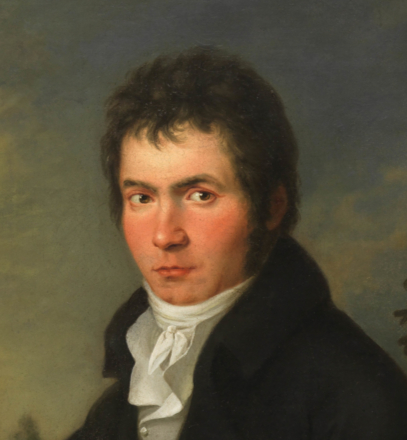
With Beethoven, the conventions of the Classical tradition are immediately under challenge. Published in 1795 as part of his first major collection of piano trios, the Op. 1 #3 announces to the world a composer unafraid to override the limits of an established genre. Its four-movement structure follows Classical precedent, but its emotional weight, the force of its contrasts, and the restless energy of its outer movements set it apart from anything that preceded it.
The opening Allegro con brio establishes its character immediately. As in the Mozart Sonata earlier in the program, the piece opens with a quiet unison motif in a minor key, but rather than continuing with subdued unrest, Beethoven launches into urgent and volatile development of the opening material. A more lyrical second theme in major key only momentarily tames the agitation, which soon develops into underlying unrest in an integrated drama rather than a sequence of musical episodes.
The second movement, Andante cantabile con variazioni, brings us to a completely different world. The tempestuousness of the first movement is now a distant memory as a pastoral theme in E-flat major becomes the basis for five inventive variations. Beethoven’s success with the variation form would lead to some of the most powerful compositions in the Western musical canon. Here his famous ability to imaginatively improvise is on display in the form of a meltingly beautiful expressive world born of a single idea.
The third movement, a Menuetto: Allegretto, unsettles the form’s conventions through its minor-key character and irregular phrasing. Its contrasting central section, in C major, offers a lyrical respite. The finale, marked Prestissimo, is once again brimming with intensity, unrest, and drama, driving forward with surges and sharp contrasts. Surprisingly, Beethoven resists the expected triumphant conclusion. Instead, the music seems to lose momentum as it ebbs into a remarkably quiet ending, arriving in C major and asking more questions than it answers.
The unique combination of force and ambiguity that helped Beethoven reshape the nineteenth-century musical landscape is already clear in his Op.1 #3. The Classical forms remain intact, but their emotional range has expanded dramatically. The revolution is underway.