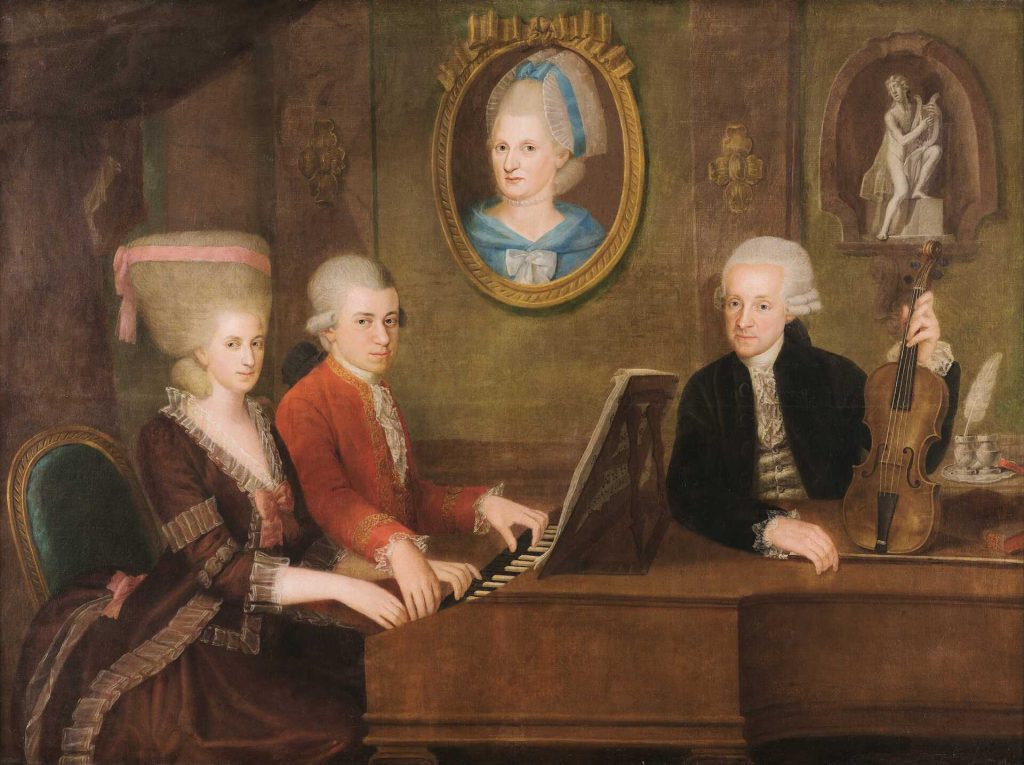
The addition of jazz to the Guarneri Hall lineup this season might come as a surprise to regular audience members. While jazz performance at a classical chamber music venue may seem unconventional, we see it as a natural evolution for Guarneri Hall. Both genres are rooted in the cooperative interplay between performers. Guarneri Hall’s intimate setting allows listeners to witness these subtle, nonverbal connections as they happen, illuminating the shared essence of musical creation in real time. Bridging the gap between jazz and classical within the intimate confines of Guarneri Hall is consistent with our mission to build personal connections between listeners and performers.
Theme and Variations

There are essential practical differences between jazz and classical performance. The music the audience hears in a classical performance is nearly all played from the written page, whereas jazz performers improvise melodic variations on predetermined chords. These differences place different demands on the performers. Classical musicians must be able to render a specific written sequence of notes reliably and accurately; jazz musicians must have a thorough knowledge of form and harmony to improvise fluently through the chord changes in a piece. Classical artists must be able to replicate the same notes in each of their performances, whereas jazz artists need to maintain a relatable pulse as they improvise.
The Space Between the Notes
Despite these differences, jazz and classical music have important core goals in common. An oft-cited quote from Miles Davis (pictured above), “Don’t play what is there, play what is not there” doesn’t seem far off from Claude Debussy’s observation that “music is the space between the notes.”
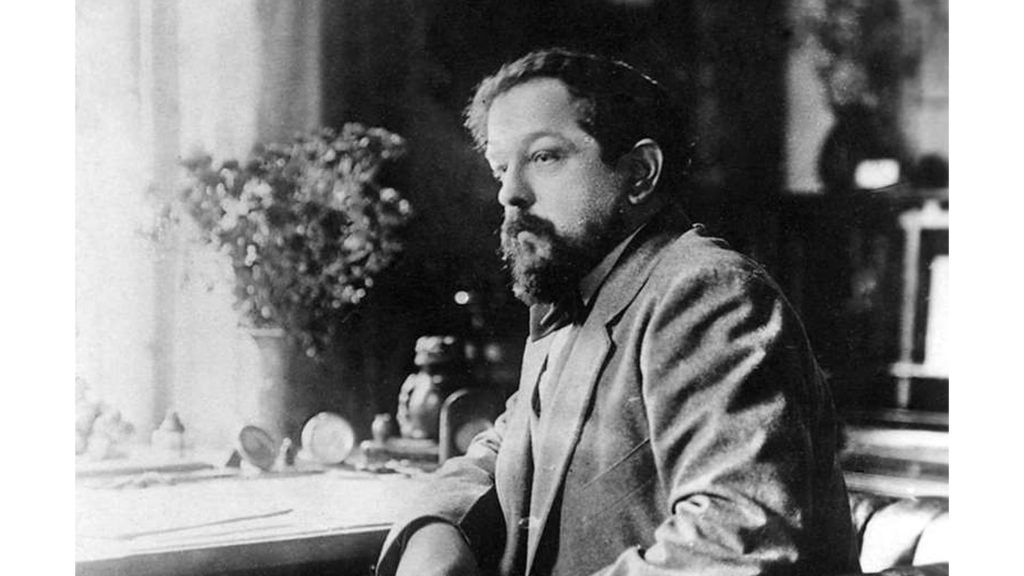
What are Davis and Debussy discussing? Some have cited the silence between notes, but the true meaning is more nuanced than that: The connections between the notes profoundly affect a performance’s emotional impact, whether silent or not.
In this respect, jazz and classical music are remarkably similar. With both forms, the reliable pulse at the core of successful ensemble performance isn’t static but is born of a collective and flexible sense of impulse. The changing momentum of the timing between notes is essential to the free-flowing unity of an inspiring performance in either genre. Jazz musicians call this unifying sense of momentum “groove.” Classical musicians will use other words to apply the same performative concept. The ability to find one another in time, even as the notes slow down or speed up, is at the heart of expressive viability for classical chamber musicians and jazz musicians alike.
To Vary or Not to Vary
Each classical work has the potential for infinite variety within a relatively narrow range of tempi. With classical music, consistency is paramount, and variability occurs within the boundaries of a reliable pulse and the same sequence of notes at each performance. With jazz, the range of viable tempi is much broader. The reliability of the pulse is still paramount, but varying notes, generally off limits with classical, is imperative in jazz: Individual musicians improvise spontaneous groups of notes to fit the chords, the pulse, and the form of the tune. At the same time, the ensemble maintains the groove.
Paradoxical Freedom
The different performance expectations with jazz and classical chamber music create unique performance challenges. However, in both genres, the common goal of a shared rhythmic impulse that draws a group together has the same paradoxical effect of freeing the performers to explore a broader range of individual expression.
Our First Jazz@GH Artists

To launch Jazz@GH we’ve invited renowned Chicago keyboard player Jahari Stampley and his mother, acclaimed saxophonist D-Erania Stampley, to perform the first-ever jazz shows at Guarneri Hall on October 8th, 2024. Moving forward, Jazz@GH will complement our interactive chamber music series with equally personal jazz experiences. While classical music will remain the primary focus at Guarneri Hall, great performances from rising stars and masters of jazz, another musical form that we love and admire, will be a great addition for this season and the years ahead.